


Why do some meals leave you feeling heavy, while others leave you feeling clear and light? Ecologist Raymond Lindeman found that only about 10% of energy passes from one level of a food chain to the next. So when you eat plants directly, your body gets far more energy than when that energy first passes through an animal.
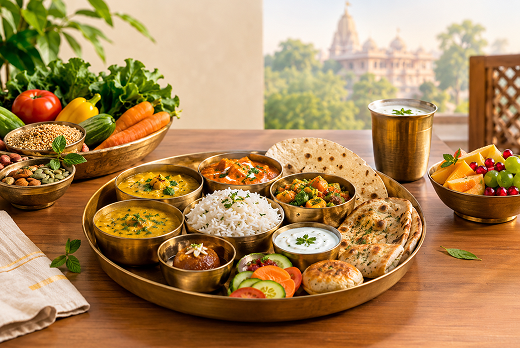
This is one reason why plant-based satvik food in Vrindavan works well for both body and mind. In this blog, you’ll learn what satvik food means, the rules behind it, which foods to eat and avoid, and its key benefits.
What Is Satvik Food?
Satvik food is a category of eating rooted in Ayurveda and yogic philosophy that emphasizes fresh, light, and minimally processed vegetarian meals. The word comes from “sattva,” a Sanskrit term meaning purity, harmony, and clarity, and the diet is designed to reflect exactly that in both body and mind.
The Three Gunas Behind the Satvik Diet
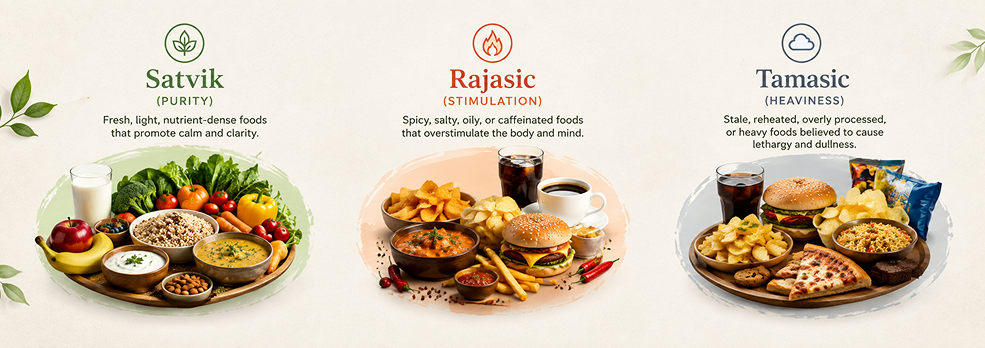
Ayurveda classifies all food into three qualities, or gunas, and understanding them makes the logic behind satvik eating much clearer:
- Satvik (purity) – Fresh, light, nutrient-dense foods that promote calm and clarity, the foundation of the satvik diet.
- Rajasic (stimulation) – Spicy, salty, oily, or caffeinated foods that overstimulate the body and mind, often leading to restlessness.
- Tamasic (heaviness) – Stale, reheated, overly processed, or heavy foods believed to cause lethargy and dullness.
A satvik lifestyle isn’t about strict deprivation, it’s about leaning toward the first category and limiting the other two.
What Are the Rules of a Satvik Diet?
A satvik diet encourages food that is natural, fresh, and easy to digest, eaten mindfully rather than in haste. A few core principles guide it –
- Freshness and seasonality: Eat meals soon after preparation, using seasonal, local produce rather than anything stored or out of season.
- Minimal processing: Avoid boxed, canned, and refined foods in favor of whole, natural ingredients.
- Gentle cooking methods: Dishes are kept light, steamed, lightly sautéed, or slow-cooked, rather than deep-fried or excessively spiced.
- Mindful eating habits: Eating slowly, without distraction, and in moderate portions is considered as important as what’s on the plate.
- No onion or garlic: In stricter satvik traditions, onion and garlic are left out entirely, as they’re believed to increase restlessness (the rajasic quality) rather than calm.
What Foods Belong in a Satvik Diet?
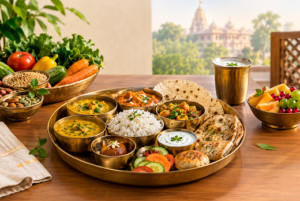
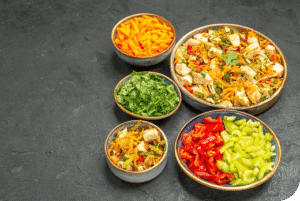
A satvik plate typically includes fresh fruits and vegetables, whole grains like rice, wheat, and millets, legumes such as moong and toor dal, nuts, seeds, and dairy like milk, ghee, and fresh yogurt. Natural sweeteners like honey and jaggery replace refined sugar. Avoid excessively fried or spicy dishes, stale or reheated meals, packaged snacks, caffeine-heavy drinks, alcohol, and any meat-, fish-, or egg-based products.
What Are the Benefits of a Satvik Diet?
The benefits of a satvik diet affect both digestion and mental well-being, and several align closely with what modern nutrition science already recognizes about whole-food, plant-forward eating.
1. Better digestion and gut health
Light, natural foods are easier for the body to break down, which means less bloating and discomfort after meals.
2. Sharper focus and mental clarity
By avoiding overly stimulating foods, a satvik diet is associated with calmer, more focused thinking.
3. More consistent energy and immunity
Fresh, nutrient-rich foods support the immune system and help sustain energy through the day, without the crash that comes from heavy or processed meals.
4. Emotional balance
Many people following a satvik approach report feeling steadier and less reactive, since the diet is designed to nourish mind and body together, not just one or the other.
Far more energy is retained when we eat plants directly than when that energy is first converted into meat or dairy. It’s one reason a predominantly plant-based, satvik way of eating is considered a more energy-efficient way to nourish the body.
Where Can You Experience Authentic Satvik Food in Vrindavan?
Eating satvik doesn’t mean sticking to the same few dishes every day. The Royal Braj in Vrindavan is a great place to experience that firsthand. Our Satvik restaurant in Vrindavan is located directly opposite the main gate of Prem Mandir. It’s a 100% pure vegetarian fine-dining restaurant built entirely around satvik principles, every dish is prepared without onion or garlic, using fresh, seasonal, and organic ingredients sourced with care.
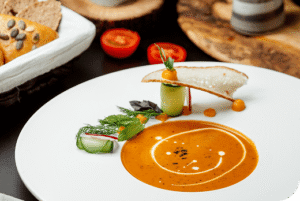
The kitchen is led by a chef with a decade of experience turning traditional Vedic recipes into refined, contemporary dishes. The menu spans North Indian classics, South Indian favorites, Chinese, Italian, and continental dishes, tandoori starters, chaats, combo platters, and desserts, so there’s genuine variety on offer even within satvik guidelines. Paired with a serene, temple-adjacent ambiance designed for mindful dining, it’s an easy way to see what satvik food can taste like when purity and flavor aren’t treated as trade-offs.
Ready to Try Satvik Fine Dining in Vrindavan?
Reading about sattva is one thing; tasting it is another. If you’re in Vrindavan and searching for a “Satvik restaurant near me” then you should definitely visit The Royal Braj. Book your table at The Royal Braj and experience satvik dining the way it’s meant to be: fresh, mindful, and quietly indulgent, right opposite the temple gate.
FAQs
- Is satvik food the same as vegetarian food?
Not exactly. All satvik food is vegetarian, but it also emphasizes freshness, light cooking, and mindful eating, often excluding onion, garlic, and overly spiced or processed vegetarian dishes too. - Can satvik food help with weight management?
Yes, since it favors light, whole, minimally processed foods and moderate portions, a satvik diet can support healthy digestion and steady energy, which often aids weight management over time. - Why are onion and garlic avoided in satvik cooking?
In Ayurvedic tradition, onion and garlic are considered rajasic, stimulating foods believed to increase restlessness and agitation, which runs counter to the calm, balanced state satvik eating aims to promote.
- Is tea or coffee allowed in a satvik diet?
Generally, no. Caffeinated drinks like tea and coffee are classified as rajasic, since they stimulate the nervous system, so herbal infusions or warm water are preferred alternatives in strict satvik eating. - Where can I try authentic satvik food in Vrindavan?
The Royal Braj, located opposite Prem Mandir’s main gate, offers a dedicated satvik fine-dining menu made without onion or garlic, using fresh, seasonal ingredients across multiple cuisines in a serene setting.